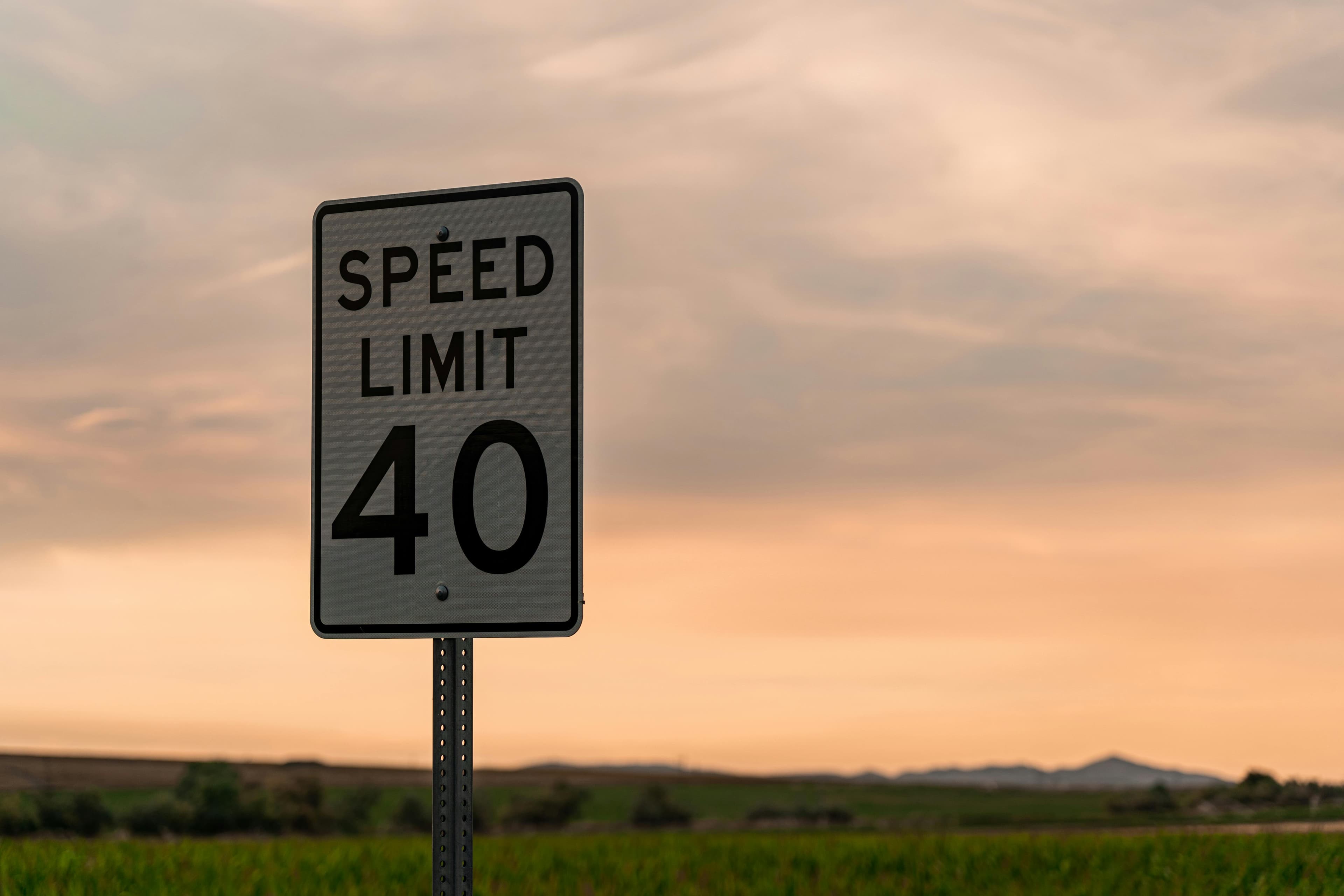
In Missouri, speed limits vary by area, with highways typically at 70 mph, city streets at 25-35 mph, and school zones at 20 mph during school hours. Law enforcement uses radar and laser technology to monitor speeds, requiring regular calibration for accuracy. To challenge a speeding ticket, you can question the device's calibration, the officer's training, environmental factors, and gather witness statements. Understanding these aspects can help you navigate Missouri roads safely and avoid penalties.
Speed Limits and Enforcement in Missouri
Introduction
Speed limits are critical for maintaining road safety and ensuring a smooth traffic flow. In Missouri, speed limits vary significantly depending on the area, from bustling urban centers like Kansas City to rural highways and school zones. Understanding these speed limits, the technology used by law enforcement, and ways to challenge speeding tickets can help drivers navigate the roads more confidently and avoid penalties.
Posted Speed Limits in Kansas City
Kansas City, like many urban areas, has diverse speed limits tailored to different types of roads and zones to ensure safety and efficiency.
Highways
Highways in Kansas City typically have higher speed limits due to their design for fast and efficient travel. The standard speed limit on most highways is 70 mph. However, certain sections, especially those within city limits or undergoing construction, may have reduced speed limits.
City Streets
City streets usually have lower speed limits to accommodate pedestrian traffic, intersections, and frequent stops. The typical speed limit on Kansas City streets ranges from 25 to 35 mph. These limits are designed to reduce accidents and ensure pedestrian safety.
School Zones
School zones are critical areas where speed limits are strictly enforced to protect children. In Kansas City, the speed limit in school zones typically drops to 20 mph during school hours when children are present. These reduced limits are marked with flashing lights or signs indicating the specific times they are in effect.
Radar and Laser Technology Used by Law Enforcement
Missouri law enforcement utilizes advanced technology to monitor and enforce speed limits. The primary tools are radar and laser devices.
Radar guns operate by emitting radio waves that reflect off moving vehicles. The change in frequency of the reflected waves (Doppler effect) allows the radar gun to calculate the vehicle's speed. Radar is commonly used because it can measure speed from a distance and while the patrol vehicle is in motion.
Laser Technology
Laser speed guns, or LIDAR (Light Detection and Ranging), use laser beams to measure a vehicle's speed. The device calculates the time it takes for the laser to bounce back from the vehicle. LIDAR is known for its accuracy and ability to target specific vehicles, making it ideal for use in congested areas.
Calibrating Speed Measuring Devices
For radar and laser devices to provide accurate readings, they must be properly calibrated and maintained. Calibration involves checking the device's accuracy against a known standard. Law enforcement agencies in Missouri are required to follow strict procedures for calibrating these devices to ensure their reliability in speed enforcement.
Challenging the Accuracy of a Speeding Ticket
If you believe a speeding ticket was issued in error, there are several strategies you can use to challenge its accuracy:
Questioning Device Calibration
Request the calibration records of the radar or laser device used. If the device was not calibrated correctly, its readings could be inaccurate.
Officer Training
Ensure the officer who issued the ticket was properly trained in using the speed measurement device. Lack of proper training can be grounds for contesting the ticket.
Environmental Factors
Argue that external factors, such as weather conditions or obstructions, could have affected the accuracy of the speed measurement.
Witness Statements
Gather statements from passengers or other witnesses who can testify that you were not speeding.
Requesting a Hearing
Attend the court hearing to present your case. Having a lawyer experienced in traffic violations can significantly improve your chances of successfully contesting the ticket.
Conclusion
Navigating the various speed limits in Missouri, especially in areas like Kansas City, requires awareness and adherence to posted signs. Law enforcement uses sophisticated radar and laser technologies to monitor speeds, but there are legitimate ways to challenge a speeding ticket if you believe it was issued unfairly. Understanding these aspects can help you stay safe on the roads and avoid unnecessary penalties.
FAQs on Speed Limits and Speeding Enforcement in Missouri
What are the typical speed limits in Kansas City, Missouri?
In Kansas City, Missouri, the speed limits vary based on the type of road:
Highways: Generally 70 mph, but can be lower in certain sections.
City Streets: Typically range from 25 to 35 mph.
School Zones: Usually 20 mph during school hours when children are present.
How do radar and laser speed guns work for speed enforcement?
Radar guns use radio waves that reflect off moving vehicles to measure speed through the Doppler effect. Laser speed guns (LIDAR) use laser beams to calculate a vehicle's speed based on the time it takes for the laser to bounce back from the vehicle. Both technologies are widely used for their accuracy and reliability.
How can I challenge the accuracy of a speeding ticket in Missouri?
You can challenge a speeding ticket by:
Requesting the calibration records of the radar or laser device used.
Ensuring the officer who issued the ticket was properly trained.
Presenting evidence of environmental factors that may have affected the speed measurement.
Providing witness statements that support your claim.
What are the penalties for speeding in a school zone in Missouri?
Speeding in a school zone in Missouri typically results in higher fines and points on your driving record. The speed limit in school zones is usually 20 mph during school hours. Violating this limit can lead to substantial fines and increased insurance rates.
How often must speed measuring devices be calibrated in Missouri?
Speed measuring devices like radar and laser guns must be regularly calibrated to ensure accuracy. The specific calibration schedule can vary, but it generally requires periodic checks according to the manufacturer's specifications and state regulations. Regular calibration is crucial for the validity of speed measurements used in issuing tickets.
What happens if I accumulate too many points on my driving record in Missouri?
In Missouri, accumulating points on your driving record can lead to penalties:
4 points in 12 months: Advisory letter from the Department of Revenue.
8 points in 18 months: 30-day license suspension for the first suspension, 60 days for the second, and 90 days for subsequent suspensions.
12 points in 12 months, 18 points in 24 months, or 24 points in 36 months: License revocation for one year.
Driving without accumulating new points for a year reduces the total points, and certain convictions can remain permanently on your record.